
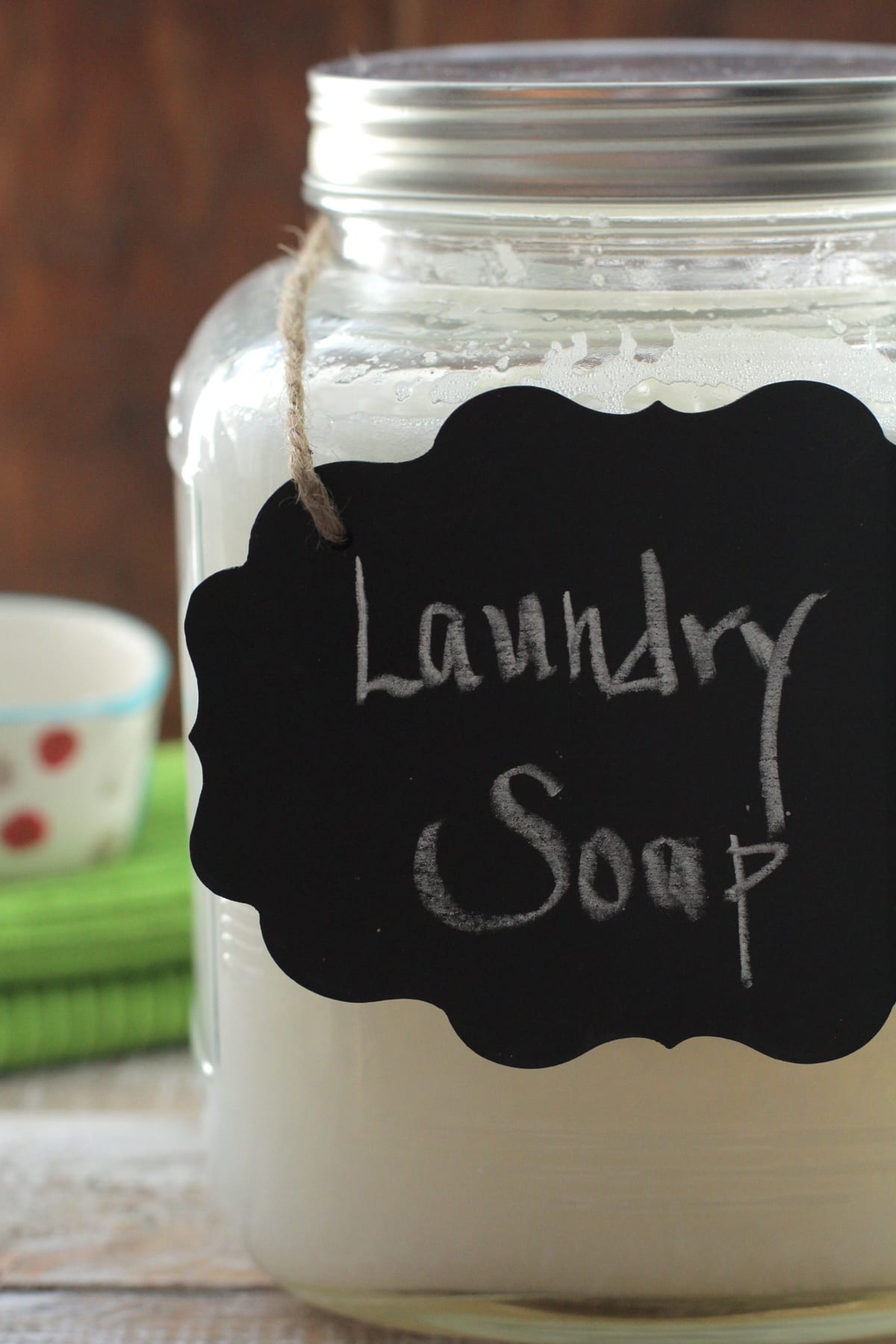
Want to make an all-natural laundry detergent as effective as commercial detergent? Your search is over. Here’s how to make the best DIY homemade laundry detergent. And all you need is 3 key ingredients and 15 minutes.
Want to Save This Article?
Enter your email & I’ll send it straight to your inbox. And you’ll get new recipes & tips each week.
11 years ago, I started making the switch to natural cleaning products, including laundry detergent!
At that time, the majority of recipes online called for a bar of fels naptha, washing soda, and Borax. But there was one problem: our clothes came out with chalky white spots.
So I made a simple swap: liquid Dr. Bronner’s castile soap instead of the fels naptha soap bar. With this one change, the detergent worked just as good as Tide.
This recipe is non-toxic, fights stains better than commercial detergent, and is cheap! I’ve been making this liquid laundry detergent for over 11 years (originally created in 2014) because of its extraordinary cleaning power.
Homemade Laundry Detergent Benefits
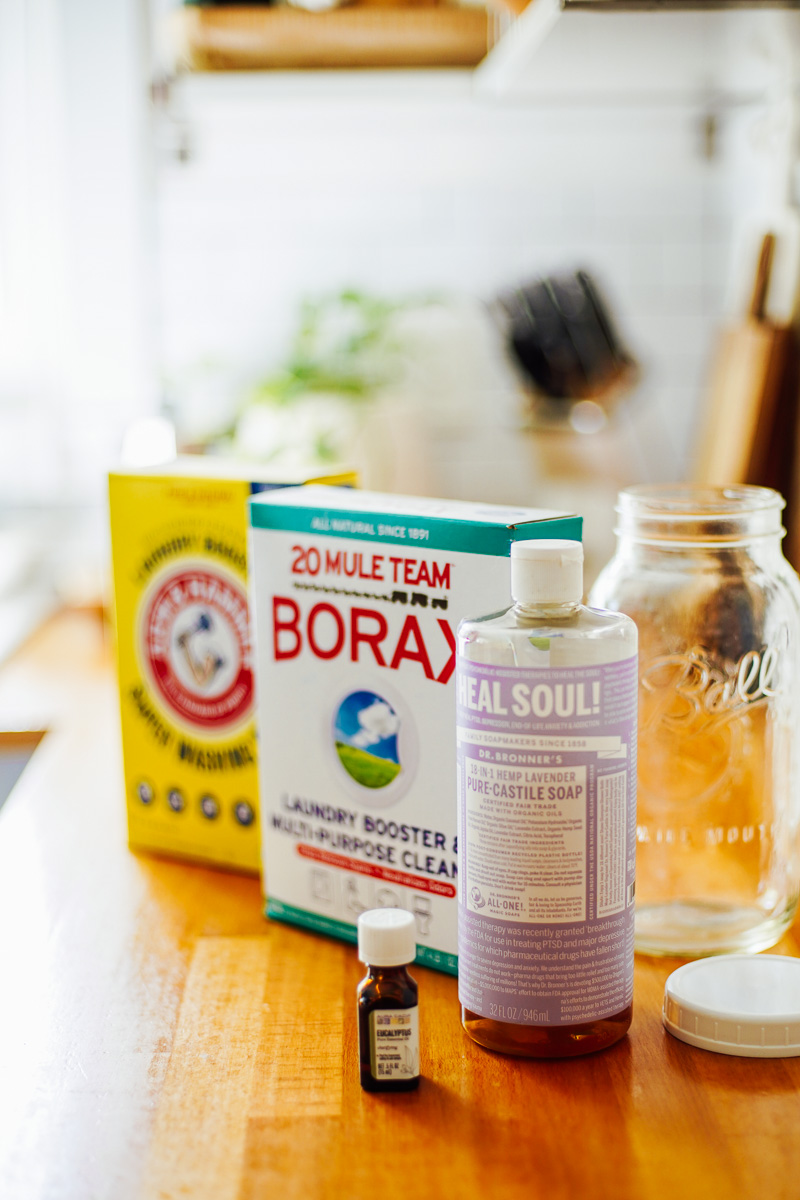
Before You Get Started: What You’ll Need
Ingredients
This recipe, made with simple ingredients, makes 1 gallon of homemade soap.
- 1 cup borax – freshens, deodorizes, and lifts dirt and stains
- 1 cup washing soda – freshens and deodorizes
- 1 cup liquid castile soap or Sal Suds – the main cleaning agent, lifts dirt and cleans
- 50 drops essential oil – optional for a scent
- 15 cups water – distilled water, found in any grocery store, is best as it doesn’t contain containments found in tap or filtered water
Equipment
- Large saucepan or Dutch oven – enough to hold 1 gallon of liquid, 15 cups
- Storage Jars – such as 2 half gallon-size glass mason jars, 1 gallon-size jar, or reuse an old detergent bottle
Thicker Detergent Tip: This recipe calls for 15 cups of water. If you’d like a thicker, more concentrated soap, use 10-12 cups of water.
How to Make Homemade Laundry Detergent: Recipe Steps
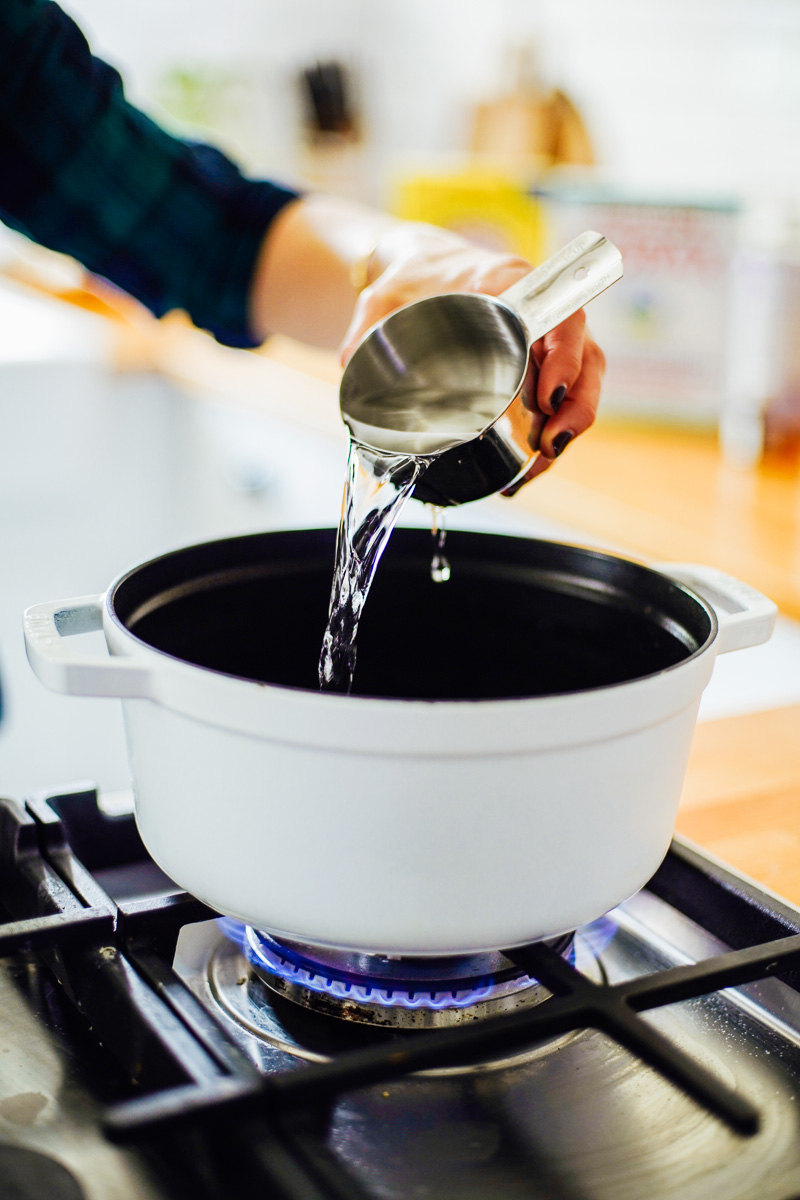
- Step 1 Boil 6 Cups of Water: In a large saucepan or Dutch oven, bring 6 cups of water to a slight boil. Once the water begins to boil, turn off the burner.
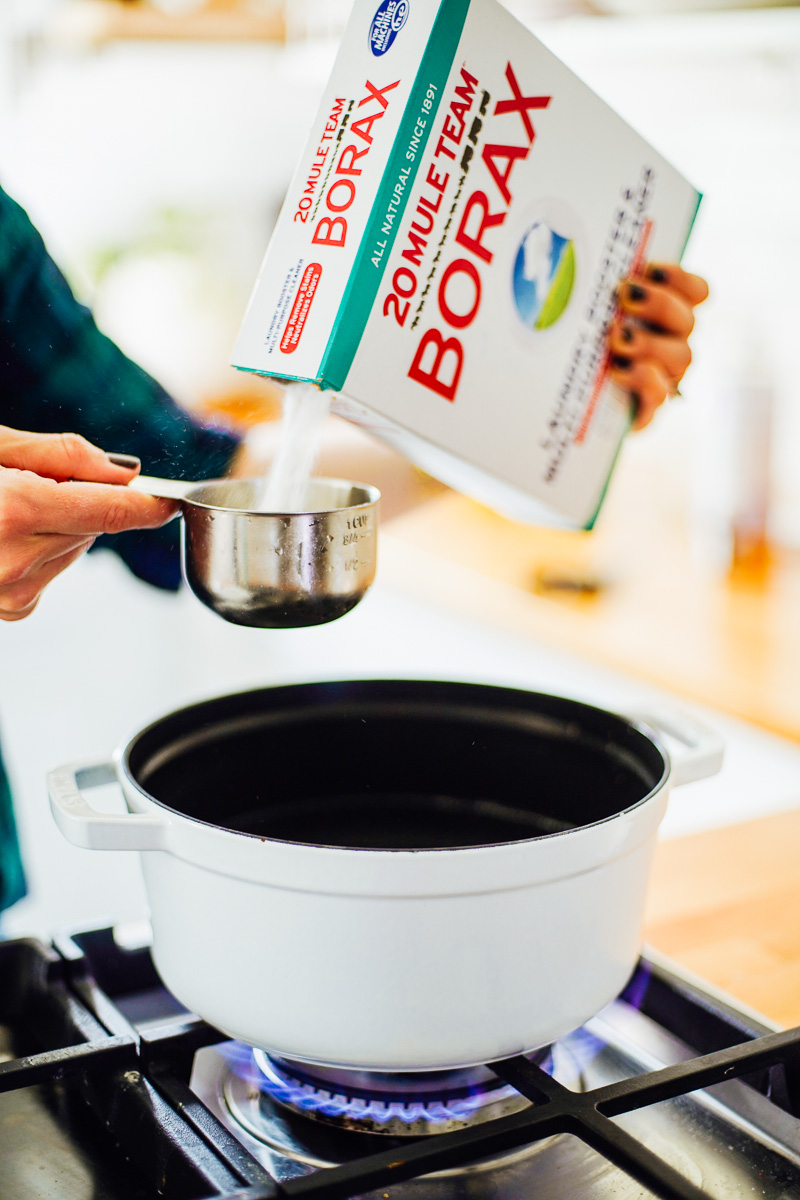
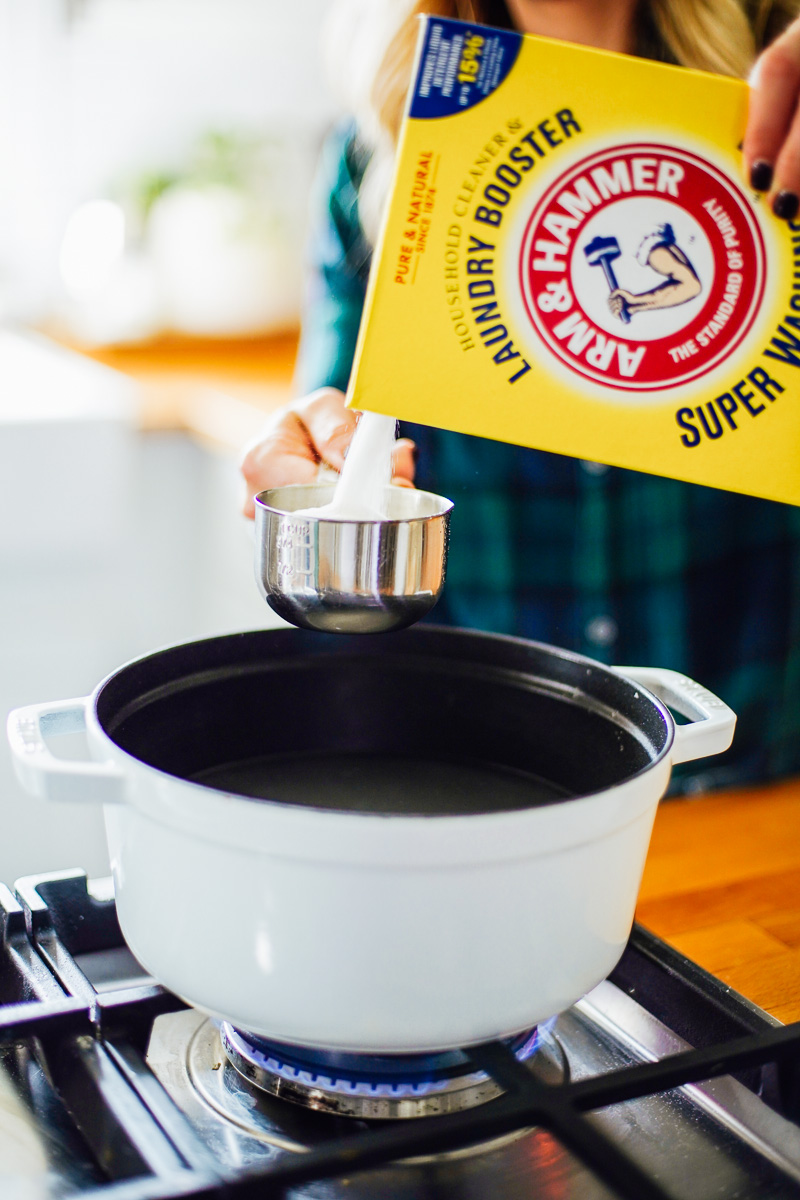
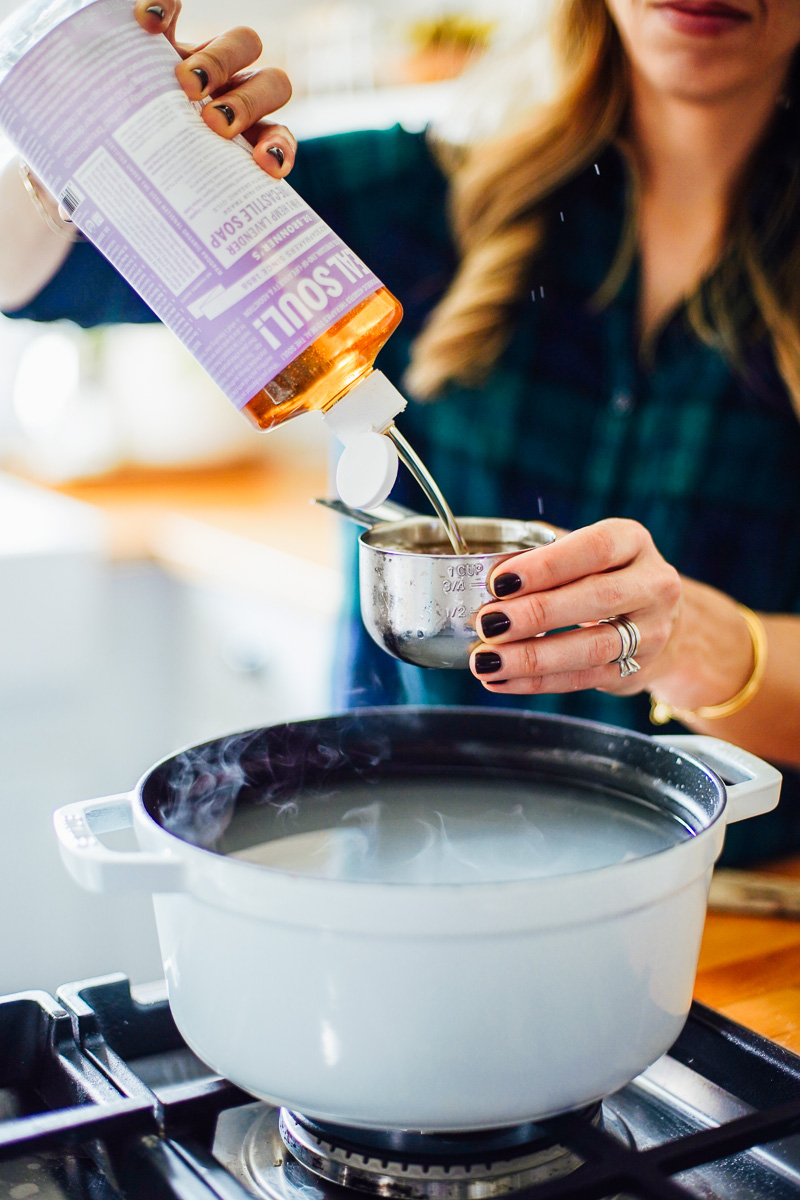
- Step 2 Add Borax, Washing Soda, More Water, and Castile Soap: Add the Borax and washing soda. Stir to dissolve. Then add 9 cups of room-temperature water and 1 cup of liquid castile soap. Give the ingredients a stir to combine.
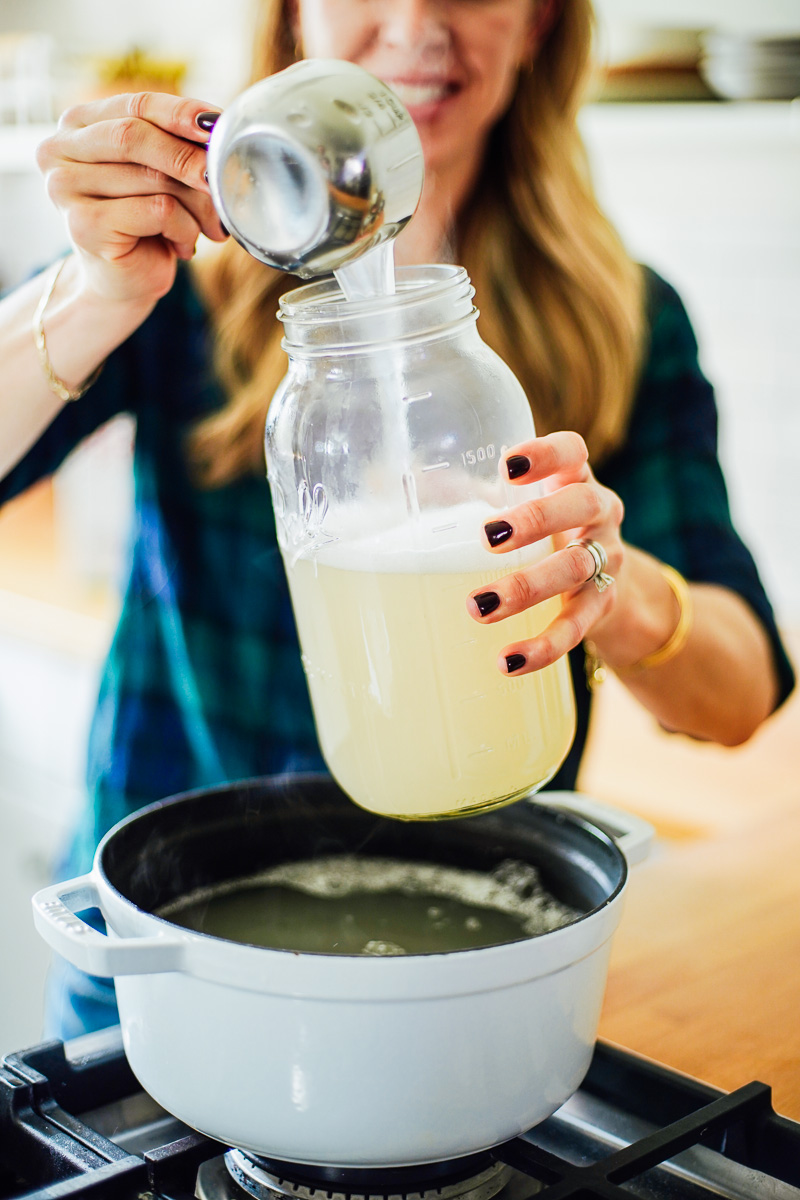
- Step 3 Cool for 5-10 Minutes: Allow the soap to cool for a few minutes before pouring into one large gallon-size jar or smaller containers, like quart-size jars. Make sure your jar(s) are heat-safe. If not, wait until the soap is cool, then spoon the soap into the jar(s).
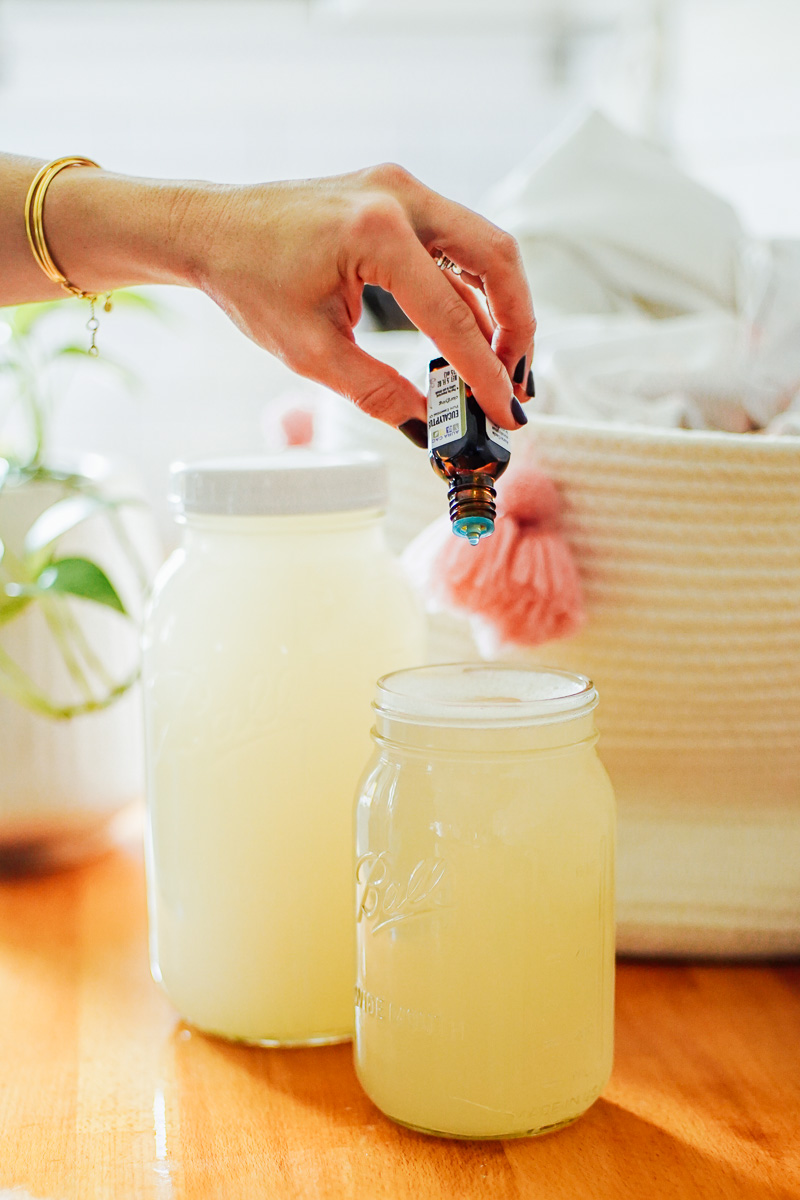
- Step 4 Add Essential Oil For Scent: Add an essential oil of choice (if using) to the soap (now in the jar) and stir to combine with the detergent.
What to Avoid Doing
- Baking Soda – Don’t use baking soda in place of washing soda. Washing soda has a different chemical composition and will not work in this recipe. It is NOT a substitute.
- Dish Soap – Don’t use other dish soaps in place of the castile soap. Dish soap will cause the soap to have too many bubbles in the wash.
- Lack of Suds – Don’t assume that a lack of suds and bubbles means the soap isn’t effective. Suds and bubbles don’t equal clean.
- Plastic Containers – If you’re reusing an old detergent bottle for storage, make sure the laundry detergent is fully cool before adding to a plastic container.
- Heat-Safe Glass – Use a heat-resistant glass jar (if using glass for storage), and also allow the detergent to cool a bit (about 10 minutes) before adding it.
- Essential Oils – The essential oil will add a subtle fragrance, but shouldn’t be added until the soap cools as heat will cause the essential oil to evaporate.
How to Prevent Chunky or Gelled Detergent
After a few days the liquid laundry detergent may clump or gel. This is a completely normal chemical reaction that is usually caused when the outside temperature is cooler. There’s no way to completely prevent this from happening; however, one option is to use more water (2-3 cups more) to make a less concentrated soap.
The laundry soap is 100% usable if it gels up (l actually love this form). Simply scoop the detergent from the container and add to the washer.
Key Takeaway: Whether the laundry detergent gels up or remains liquid, it’s 100% effective and usable in both forms.
How to Use This Liquid Laundry Soap
The detergent is ready to use immediately after making. And may be stored for later use.
- Give the jar a good shake or stir (with a long spoon) before use.
- Use this detergent just as you would any laundry soap to clean clothes.
- This homemade liquid laundry soap is highly concentrated, which means you need only a tiny amount to get a dirty job done.
- For top-loading washer machines, use 1/8-1/4 cup.
- For an HE front loader, use 1-2 tablespoons.
- Add the detergent directly to your washer or the laundry soap compartment.
Can I use this in an HE washer?
I do, so I can only speak to my personal experience. I use 1-2 tablespoons per load. If it’s in gel form, add it straight to the washer on top of the clothes.
Always consult your machine’s user guide before using any laundry detergent to know what your machine can and can’t handle.
How long does this recipe last?
- Use the soap within 1 month.
- Store in your laundry room, at room temperature.
- Learn more about the safety of making your own natural cleaners.
FAQs
- Can I use a castile soap bar instead of liquid castile soap? Yes, you can. Use a cheese grater to grate a bar of castile soap into the hot water (along with the borax and washing soda). Stir and continue to boil the ingredients to dissolve fully (takes about 10 minutes). I also use a bar of castile soap to make powder laundry soap.
- Is it normal that it’s more watery than soapy? Yes, this is normal. For a thicker, more concentrated detergent, there are two options: use Sal Suds instead of castile soap OR reduce the water to 10-12 cups for a more concentrated detergent.
- The detergent is chunky (or gelled) after cooling, is that normal? Yes, this is normal. Depending on your home’s temperature, the soap may be more liquid or even chunky (like a gel). Both are normal and usable!
- My laundry soap didn’t gel. What happened? If your environment is cooler, your laundry soap may gel after cooling. Or it may not. This is normal. Both forms are 100% good and usable. A reader recently shared this tip you can try as well, “I also like the the detergent to be more gelatinous and I use my immersion blender for a few seconds after it is cool to whip it. It turns white and jelly.”
- Is borax safe? Borax is a debated ingredient in naturally-minded circles. I personally don’t see any reason to avoid it. This borax article from Wellness Mama has fantastic information.
- Can I use this soap to lift stains? Yes, you can. You can either add the garment to the washer or add the garment to your kitchen sink with the soap and water and soak the garment to lift the stains. Or, apply the soap directly to the stain and scrub. If you’re dealing with tough stain, I recommend using this homemade stain remover before washing the garment.
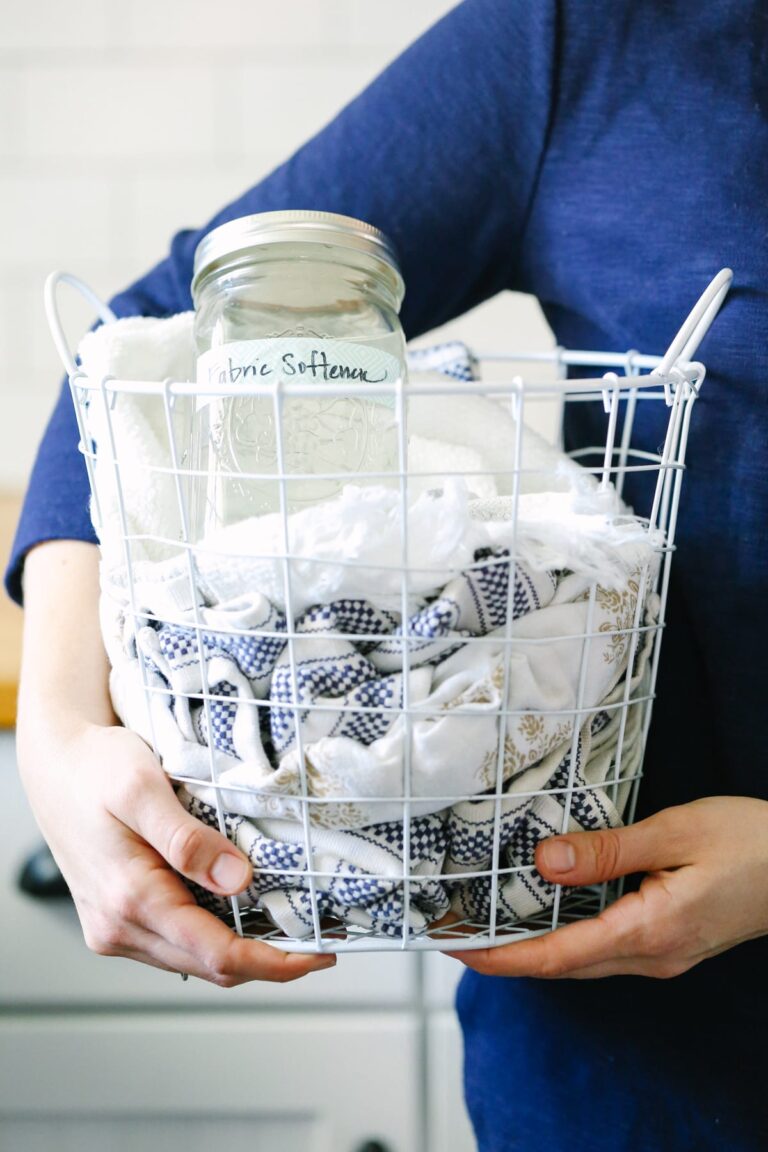
- Does this soap work with hard water? Yes, it does. I have hard water and this soap works great. You may want to use this laundry softener recipe as well.
Conclusion: Does this detergent work?
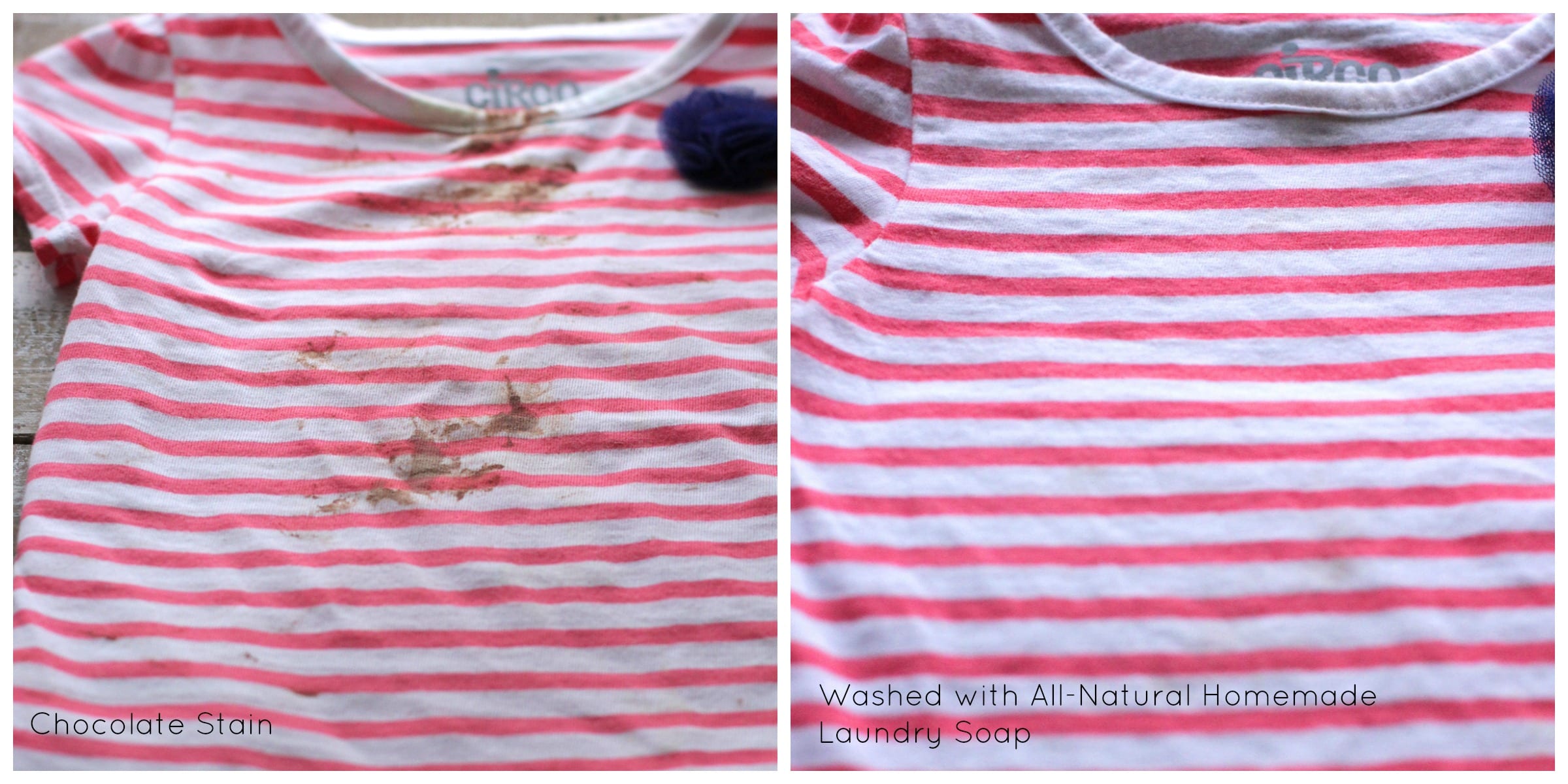
People always ask me, “Will homemade soap work as well as a store-bought product?” The answer, “YES! It will.”
My daughter’s chocolate stain on the left and after using this detergent in the wash. The stain lifted and the shirt was saved. If you need need extra help lifting a stain, you can also use my homemade stain remover first.
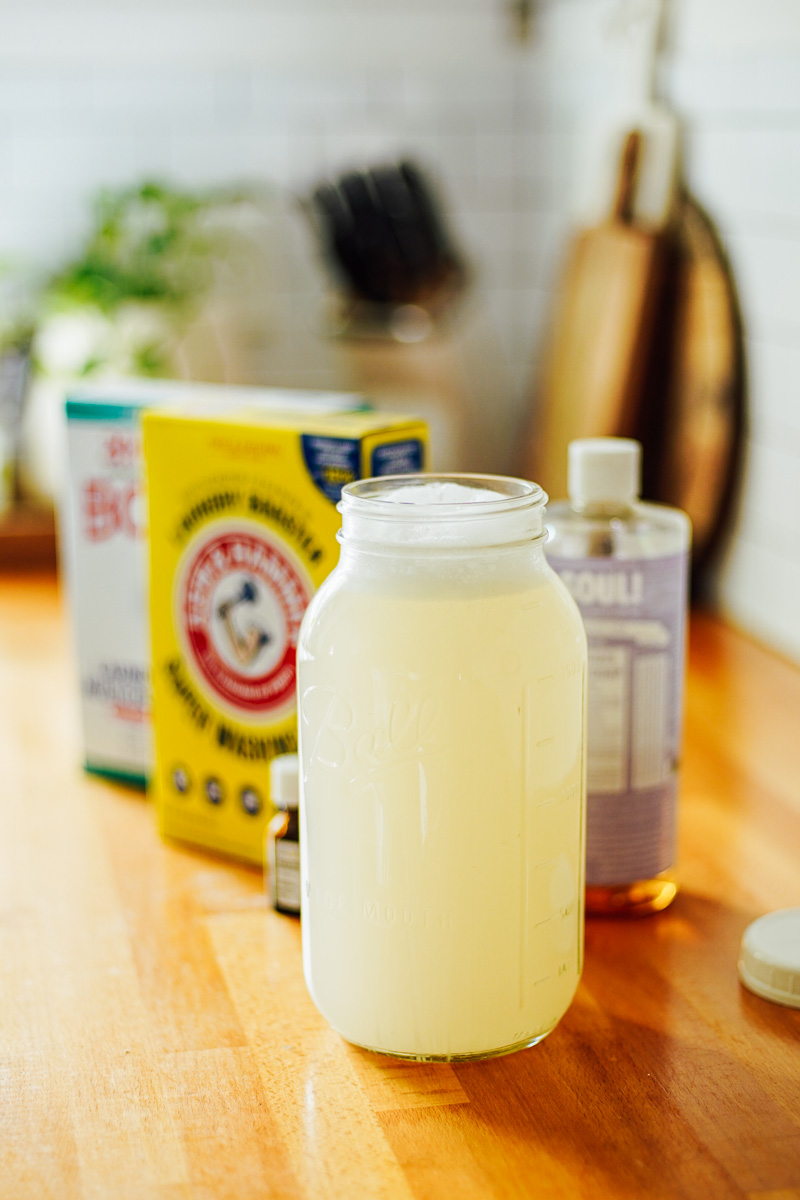

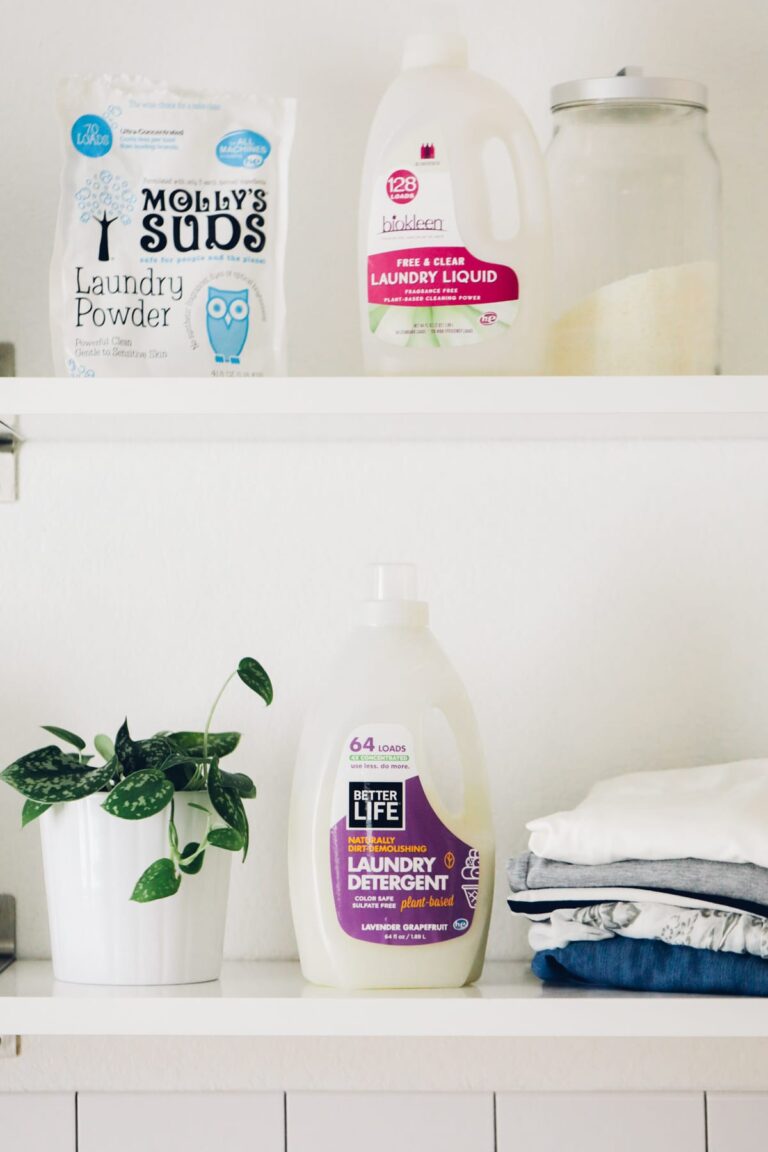
The Best Natural Laundry Detergent Brands: I’ve researched and tried many different laundry soap brands and narrowed down the best 11 brands!
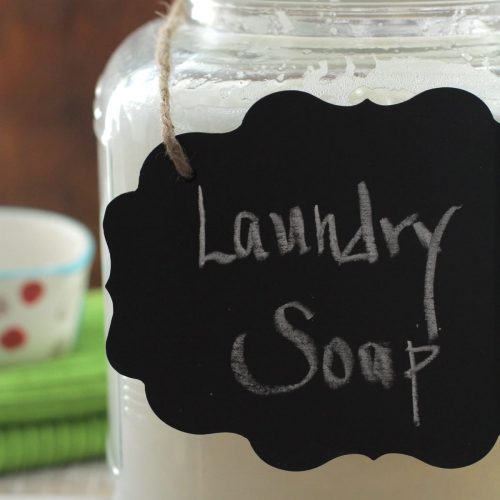
Homemade Liquid Laundry Detergent Recipe
Equipment
- 1 large saucepan or dutch oven (big enough to hold 15 cups of liquid)
- storage jars (such as 2 half gallon-size glass mason jars, 1 gallon-size jar, or reuse an old detergent bottle) for storing the laundry soap
Ingredients
- 1 cup borax
- 1 cup washing soda
- 1 cup liquid castile soap unscented or scented
- 15 cups water divided
- 50 drops essential oil optional for scent
Instructions
- In a large saucepan or Dutch oven, bring 6 cups of water to a slight boil. Once the water begins to boil, turn off the burner.
- Add the Borax and washing soda. Stir to dissolve. Then add 9 cups of room-temperature water and 1 cup of liquid castile soap. Give the ingredients a stir to combine.
- Allow the soap to cool for a few minutes before pouring into one large gallon-size jar or smaller containers, like quart-size jars. Make sure your jar(s) are heat-safe. If not, wait until the soap is cool, then spoon the soap into the jar(s).If you're reusing an old detergent bottle, make sure the soap is fully cool before adding to a plastic container.
- Add an essential oil of choice (if using) to the soap (now in the jar) and stir to combine with the detergent. The essential oil will add a subtle fragrance, but shouldn't be added until the soap cools as heat will cause the essential oil to evaporate.
- As the soap sits, the mixture may form into a gel and become chunky. There may also be liquid and gel separation, simply stir or shake. This is normal.
How to Use
- For top loading washer machines, use 1/8-1/4 cup. For a front loader, use 1-2 tablespoons. Add the detergent to the liquid soap compartment of the washer.
- Stain Treatment – Use a small amount of soap directly on the stain, scrub or rub the stain with a cloth. Repeat as needed, then wash the garment. Or use this stain remover spray.
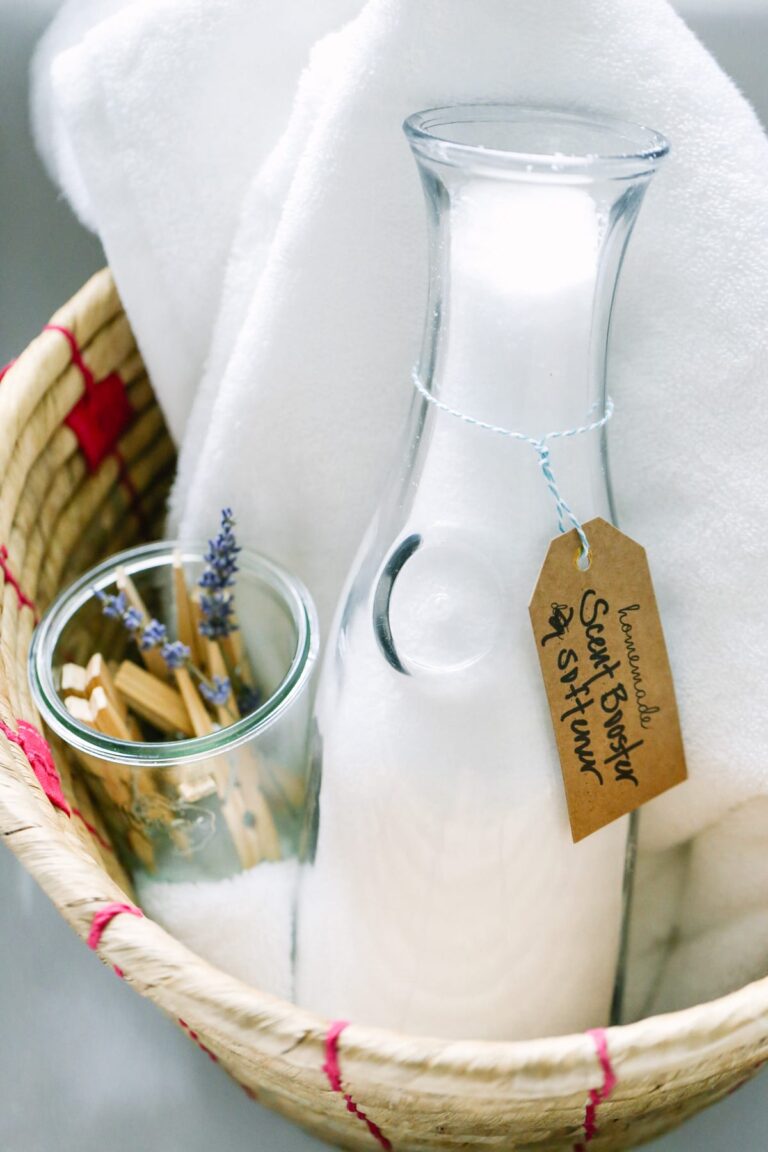
- Laundry Softener – This laundry detergent may be used with a fabric softener. I use vinegar added to the softener compartment or this salt scent booster & softener added directly to the wash basin before running a wash cycle.

Thanks for sharing this recipe, I’m very excited to try it! Quick question- what kind of essential oil do you use? Lavender like the castile soap? Or is there another kind you recommend?
Hey Mary Claire, I like lavender or another “cleaning essential oil” like tea tree oil. The essential oil can also be skipped :).
I just made this laundry soap and love that it works. However, while pulling my clothes out of the washer I noticed that one sweater in particular had many dark stain spots. Have you heard of anyone noticing this? Just wondering what it could be from? No other articles of clothing were affected thou this was one of my only lighter colored articles of clothing.
Hey Megan, I’m wondering if there might have been leftover soap residue from a previous laundry detergent in the washing machine, and when mixed with the castile soap or another ingredient in this soap, the dark spots occurred. Using vinegar (which is a great fabric softener) at the same time as the soap can also cause dark spots. I’d recommend running the washer once to clean it, even use a bit of vinegar in the water (no soap) to help remove any residue inside the machine, then try the laundry soap with another load of clothes.
Ever thought of using soap nuts instead of everything mentioned? They are fantasic!
Hey Jo, Yes, I’ve used them in the past, but didn’t have very good success with them. Maybe I was doing something wrong?
I love this laundry soap – I just made my second batch today! This time I poured it into old coffee creamer containers for easier shaking and pouring. I knew they would come in handy eventually!
That’s awesome, Jamie! Great idea!
Oh my goodness! I’m so glad I found your website! I am gathering up recipes for everyday items and intend to one by one, eliminate my family’s chemical dependence. Apart from some of the ingredients in homemade household products being (or what I consider on my tiny budget) a pretty big investment, I have been afraid to give up my Tide. I have used many types of detergents and have found Tide to be the only one to work the way I feel laundry detergent should work.
You have inspired me to try this recipe out. I probably won’t get to it for at least a few weeks from now, but I will definitely do this. Thank you.
I’m so glad you found that blog, too! I can’t wait to hear what you think about the laundry soap.
Is this safe to use with bleach on a load of white clothes? Also when making this detergent can it be mixed with fabric softener for a scent? I used the bar soap because its all i could find but it doesn’t smell very good.
Hey Lacy, I believe so. You could also use a fabric softener with this.
Thank you so much for all of your diy tutorials! I have been making your laundry detergent for about 6 months now and my clothes ALWAYS come out smelling amazing! I
Hey Alisha, It’s so great to hear you’re enjoying the soap! Thank you for sharing.
Fantastic recipe! I have tried it. It is really cheap detergent and it smells amazing. I put more essential oil , though. I suppose 20 drops are enough. Thank you for sharing it! Greetings!
Awesome, Theresa!
I am expecting our first little one in January!!! I just love your site and when I came across this laundry detergent I know I had to try it! Do you think it would be ok to use for a baby??? I know they normally recommend special baby detergent, but I would rather make it… Thanks for all you do!!! Excited to be a mom!!!!
Hey Courtney, First of all, congrats!!! So exciting!
I believe this recipe is safe to use on a baby’s clothes/linens. I created this recipe when my second child was a baby and washed all her clothes and blankets in this soap. 🙂
Just wondering if the liquid form will grow harmful bacteria or mold? I made my own laundry soap years ago and read something about mold growing in the detergent that scared me off so I started using commercial detergents again.
I wanted to try it again however so I made this recipe again last week and am hearing again about mold and bacteria. Is this true and how long will this detergent safely last?
Thanks!
Hey Linda,
There is always a possibility of mold growth in recipes using water, so even with this recipe mold can develop. I personally think the biggest issue comes from the recipes that say, “make this and it will last 12 months!” In other words, the recipes that make A TON of soap. This recipe makes about 18 cups, so it will last a couple of months. So while there is a chance that mold can grow, it’s reduced with the shorter storage time.
Another option is to use distilled water in the recipe. Distilled water reduces your chances of introducing bacteria (and mold growth) into homemade DIY recipes. Tap water contains bacteria, most of it is good but some can be bad, so it may encourage mold growth in products that sit for some time.
Hi, I just wanted you to know that I have been using your recipe for about 6 months. Love it!!! Thankful for the sharing this with us….
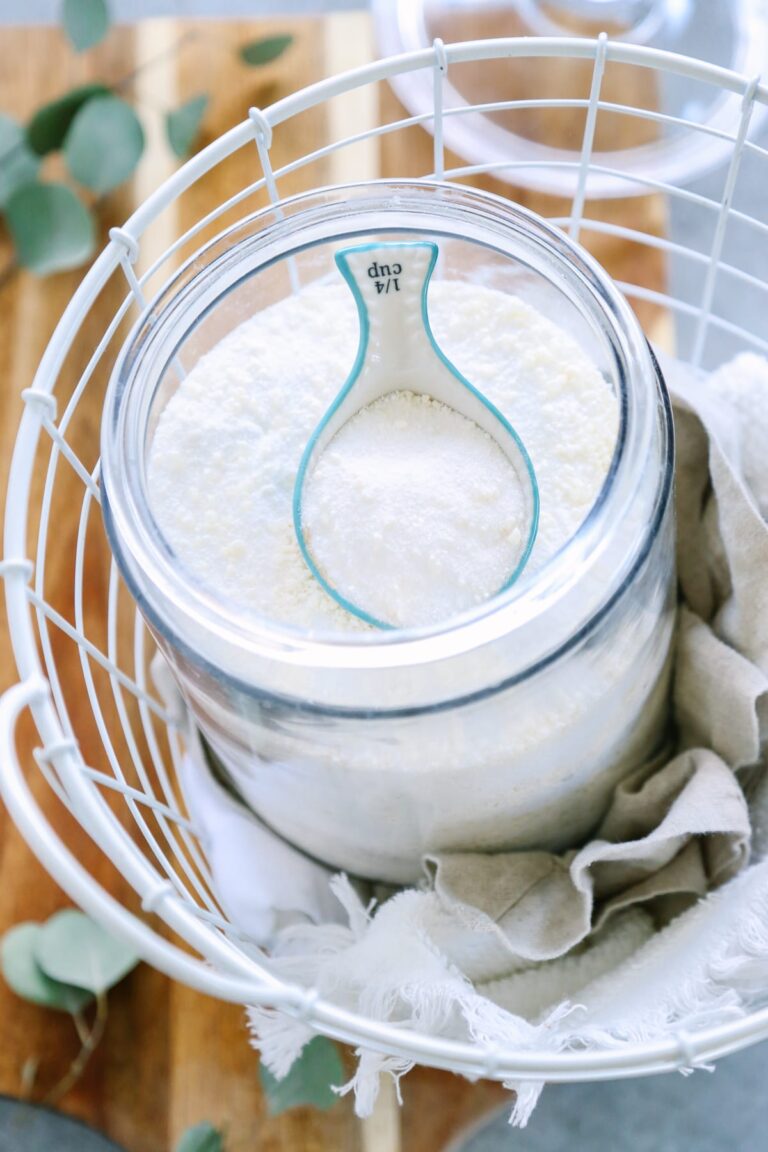
I just wish I had that scoop, never been one to go gaga over items (well, except anything ORANGE! Yeah!!) , but I knew it was love at first site for me. Sad, to say we haven’t connected in the 6 time since I first lad eyes on it.
Someday! Someday! Compensation, this recipe can “Tide” me over until we meet. LOL.
Thanks again.
Hey Susan, It’s so nice to “meet” you! I’m so glad you’ve been using the soap and love it. The scoop came from HomeGoods.
Thanks so much!! I can’t fill the washer first because I have a front loader but maybe I’ll shake harder to break it up or try adding less washing soda to the next load. I’ll also try running a vinegar cycle too. Thanks 🙂
You’re welcome, Shauna! Let me know how it goes. I think the vinegar will work very well to resolve the issue–vinegar is a cure-all for laundry and cleaning problems ;).
I have been using your laundry detergent recipe for a few months now and loved it!! However, I recently noticed some greyish spots on whites. Any idea what can be causing this?? We do have well water but the detergent was working great initially…not sure what went wrong. Also, is there any way to make it where it doesn’t separate and need to be shaken before each use?? Thanks
Hey Shauna, I haven’t found a solution to the shaking or stirring, yet. The spots may be caused by washing soda not fully dissolving in the soap. You may be able to avoid this issue by filling up the washer and adding the soap so it fully dissolves before adding the clothes. Another issue may just be extra soap build up in the washing machine. Sometimes this can happen, so I clean my washing machine out with vinegar once a month. Just run 1 cup of vinegar through full wash cycle without clothes. You could also add vinegar to the water and soap with a load of clothes, about 1/2 cup.
Great tip! My husband insists to use only homemade detergents. He loves natural ingredients.I am so happy I have found your blog. I am going to show it to him. Thank you soooo much for sharing. Best regards!
Awesome, enjoy!!
Hello! I have used a few of your recipes, thank you for sharing! I recently made the liquid laundry detergent and for the first few days, the consistency was fine and it seemed to work well in the wash but within the first week, it has separated into a thick, chunky, white layer at the top that almost looks curdled with a layer of just liquid at the bottom. If you have an email address I can send you the photo, I’m not sure what happened? I’ve tried stirring it to mix it back together but it doesn’t seem to help. Any advice would be much appreciated, I would hate to have to pour out the whole jar. Thanks! ~Lauren
Hey Lauren, Yes, please send me a photo: [email protected]. I’ll definitely try to help troubleshoot :).
can you tell me if the recipe will work with replacing the washing soda with plain baking soda instead? or adding baking soda to recipe how much to add? I’m thinking about making this tomorrow. Thanks.
Hey Lisa, Washing soda has a much higher PH level than baking soda. For this reason, washing soda does a better job at cleaning. You can turn baking soda into washing soda. Spread the baking soda on a sheet pan and cook it for 30 minutes in a 400F oven.
Hello,
I’m looking for some help. I made your recipe and its been great but one problem, I have a bunch of hard crystals at the bottom of my bucket???? WHY?? What did I do wrong??
I can’t wait to try it. I have a question that may have been answered but I checked the comments above but couldn’t find it. I have a front load washer so can the liquid go into the dispenser? There is no water in the tub at the onset of the cycle so placing it directly on the clothes is not an option. Any advice?
Hey MG, I’m not really sure about a front loader. I still have an older machine. Can you use a liquid laundry detergent/soap in the machine or just dry powder? If you can use liquid, I would add this soap in the same place/time as a liquid detergent.
Hi MG I have a front loader too – did this work out okay for you? Putting the detergent right in the basin and then clothes?
Hi there,
I just made this recipe, and the detergent hasn’t turned to gel yet… Did I do something wrong?
Hey Kelsey, In the hot weather it may never fully gel (it happens). If it does gel it can take around 24 hours. But it’s ready to use even when it’s watery! The gel is just an added consistency benefit :).
I have been using this laundry soap for 4 months now and it is great! However, i have noticed our towels used in the bath and kitchen are not absorbing anymore. I don’t use fabric softener except for vinegar. I do have hard water. Has anyone else had this issue? I figure I could always use a store bought detergent just for my towels if it comes down to it.
Hey Sarah, I’m so glad you like it! I use a laundry booster when I wash a load of towels with this laundry soap–we also have very hard water! The recipe is going up on the blog this week, but here it is :): 1/2 cup hydrogen peroxide and 1/2 cup washing soda. You may be able to sub 1/2 cup hydrogen for vinegar. Just add the two ingredients to the washer along with the soap. The solution works like OxiClean.
Do you have to use hydrogen peroxide with towels not to keep them from not absorbing? I have colored towels and do not want to bleach them.
Hey Sharon, You don’t need to use hydrogen peroxide. I just add it from time to time with washing soda for a homemade oxi-clean when the clothes or towels are really dirty or stinky. The 1/2 cup of hydrogen, when mixed in a full washer, shouldn’t be strong enough to bleach the towels. For everyday use, I usually add 1/3 cup sea salt (the cheap kind from Costco) to soften our water and clothes. It works very well, but neither are necessary.